
Insights
Plan an apparel preorder customers can understand
A worked planning approach for product details, shipment information and customer updates.
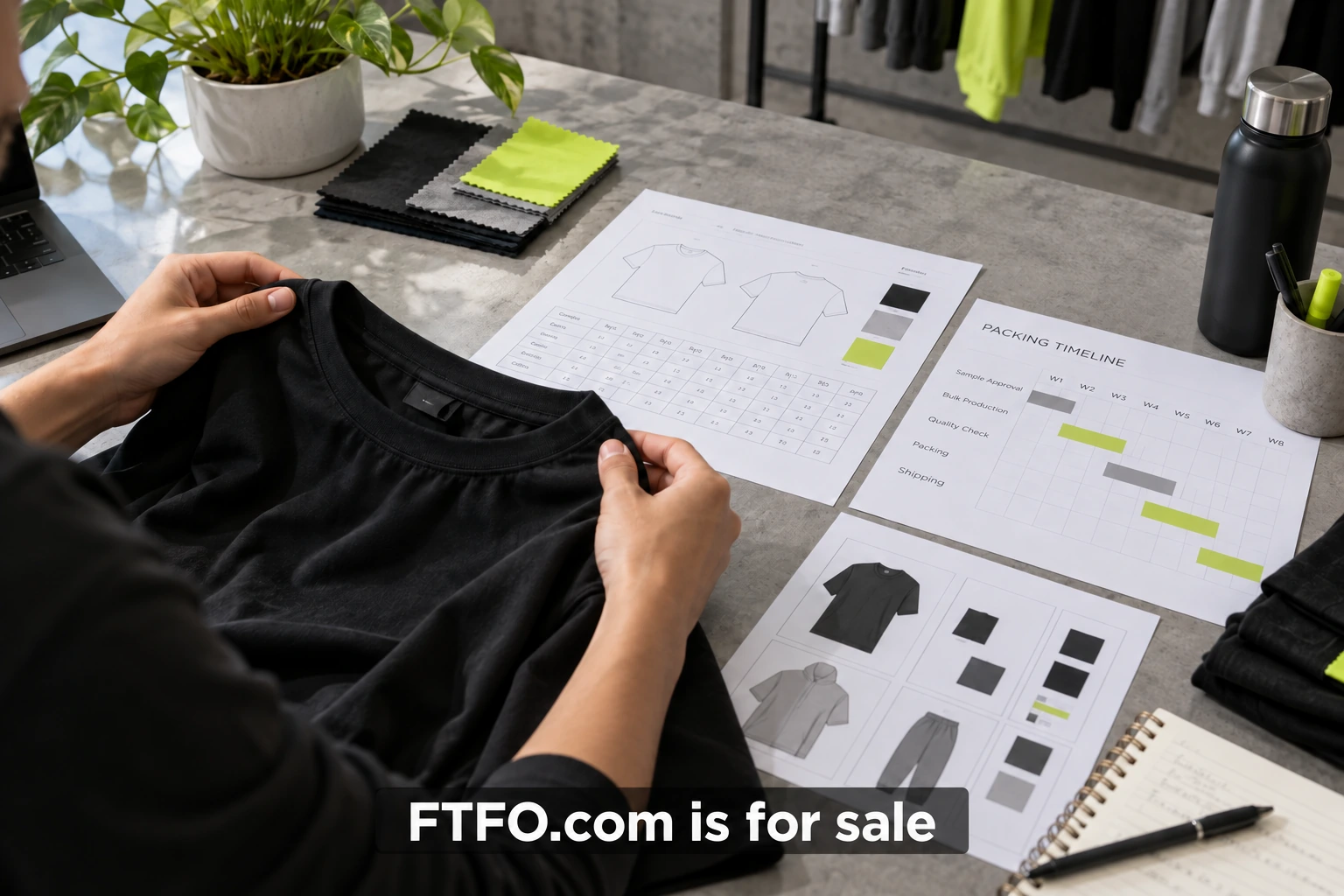
A preorder asks a customer to make a decision before the finished item is ready to leave your hands. That makes the product page a small operating agreement as well as a sales page. It should explain what the customer is choosing, what stage the product has reached and how timing will be communicated. A founder can write much of this plan before opening orders, then check each statement against evidence from the maker and fulfillment process.
Begin with the sample you can show
Use the actual approved sample for the main photographs. If the sample differs from the planned production piece, identify the difference close to the image and in the product specification. A changed button, fabric weight or print position may feel minor to the team and still matter to a buyer. Keep one dated specification as the reference for the page, supplier and customer-support answers.
Photograph the garment in a way that helps someone choose. Include front and back views, a close view of the material and a picture that explains scale or fit. Record the measurements of the sample and the relevant information about the person wearing it. Avoid using a mood photograph as the only evidence of how the garment looks. The page should answer ordinary buying questions without requiring a customer to send a message.
Separate the dates in your plan
There are several dates inside a preorder: the order window, the production decision, the expected completion date, the inspection period and the planned shipment window. Write them separately in the internal plan. A public date should reflect the steps that must happen before it, including receiving finished goods and checking them. A maker's completion estimate is not automatically the day a parcel can be handed to a carrier.
Ask the supplier what its estimate assumes. Does it depend on fabric already being available, a minimum quantity being reached or artwork being approved by a particular day? Record those dependencies with a named contact. Build your decision schedule around them. If a condition remains unresolved, decide whether the launch can wait or whether the offer needs to change. A vague date is difficult for both the customer and the team to use.
Draft the offer as a customer would read it
Here is a planning example for an imaginary overshirt preorder: one style, two colors, a published measurement chart and a stated order window. The page would identify the sample shown, list the material and care information, explain the payment arrangement and state an evidence-based shipment window. It would also tell customers where order updates will appear and how to contact the seller about their purchase. Replace every example detail with confirmed information before publication.
Read the draft on a phone, starting from the purchase control. Can a customer see that this is a preorder before paying? Can they distinguish shipment from delivery? Can they find the size information and the relevant cancellation or return terms? Ask someone unfamiliar with the project to explain what they expect to receive and when. Their interpretation is a practical test of the wording, even if the page looks clear to its author.
Connect the promise to the applicable rules
For United States merchandise sales, the FTC's Mail, Internet, or Telephone Order Merchandise Rule guidance explains that sellers need a reasonable basis for a stated shipping time. It also describes obligations to seek consent to qualifying delays or refund unshipped orders. The details depend on the situation, including the length and sequence of a delay. Read the full guidance for your arrangement rather than treating an estimated date as a substitute for a plan.
Keep records that let the team reconstruct what each customer was told. Save the published product-page version, order confirmation and any later notices. If the timing changes, those records help identify the affected orders and the original promise. Establish a review point before the stated shipment deadline so a problem can be addressed in time. An announcement on a general social account should not be assumed to reach every customer who needs an order-specific notice.
Know what each order costs to fulfill
Create a cost sheet using quotes and actual service terms. Separate fixed costs, such as sample development, from costs attached to each garment or order. Include packaging, inbound transport, inspection time, dispatch labor and any relevant payment or platform fees. Track taxes and shipping charges according to the actual business setup. A headline manufacturing cost is only one part of the money required to complete an order.
Run the sheet with more than one order quantity. A production minimum can change the economics sharply, and a size mix may create different constraints from the total unit count. Decide what happens if the intended production threshold is not reached. That decision should be reflected in the offer and the payment arrangement before customers participate. Keep enough operational flexibility to handle the plan you have actually promised.
Prepare updates before you need them
Draft three useful messages: confirmation, a normal progress update and a timing-change notice. A confirmation should restate the purchased variant and current shipment information. A progress update should report something concrete, such as completion of an agreed production stage, with care not to turn an uncertain next step into a promise. A timing-change notice needs the appropriate options and information for the situation; review it against the applicable requirements before sending.
Assign one person to maintain the order-status record. That record should connect each order to its current variant, contact details and relevant communications. Restrict access to the people handling fulfillment or support. When a customer asks a question, the team should be able to answer from the same record rather than searching several personal inboxes. Set a workable routine for checking unanswered messages throughout the order window and production period.
Rehearse the last mile
Pack the sample as if it were a customer order. Check the label, protective materials, package dimensions and the time required. Write a short inspection checklist for the finished garments and decide how exceptions will be handled. A damaged piece, a missing size label and an incorrect color need a defined place in the workflow. Resolving them at a crowded dispatch table creates avoidable confusion.
Before opening orders, ask a colleague to trace one imaginary customer from the product page through confirmation, a possible delay and eventual dispatch. Give them only the documents the real team would use. Note every moment they need an answer that has not been written down. Fix those gaps, date the plan and confirm the supplier assumptions again. The result is a preorder customers can understand and a set of promises the team has prepared to manage.
Make it your own
A new chapter for FTFO.com.
Bring the project. Start the conversation.